



How Google Maps Ads Work: A Guide for Restaurant Owners
It’s a Friday at 6:40 p.m. A couple just parked downtown with no plan. One of them opens Google Maps and types “tapas near me.” Three spots surface at the top of the list. The first has a square pin, 4.7 stars across 800 reviews, and a photo of a blistered shishito pepper that looks worth the walk. They tap it. They book a table. The other two restaurants, two blocks closer, never entered the conversation.
That decision point is exactly where Google Maps ads can make the difference. For restaurant owners, it’s one of the few advertising tools that reaches people who are already hungry, already nearby, and already deciding. This guide walks through how these ads work, what they cost, and how to keep them from quietly draining your budget.
What Google Maps Ads Actually Are
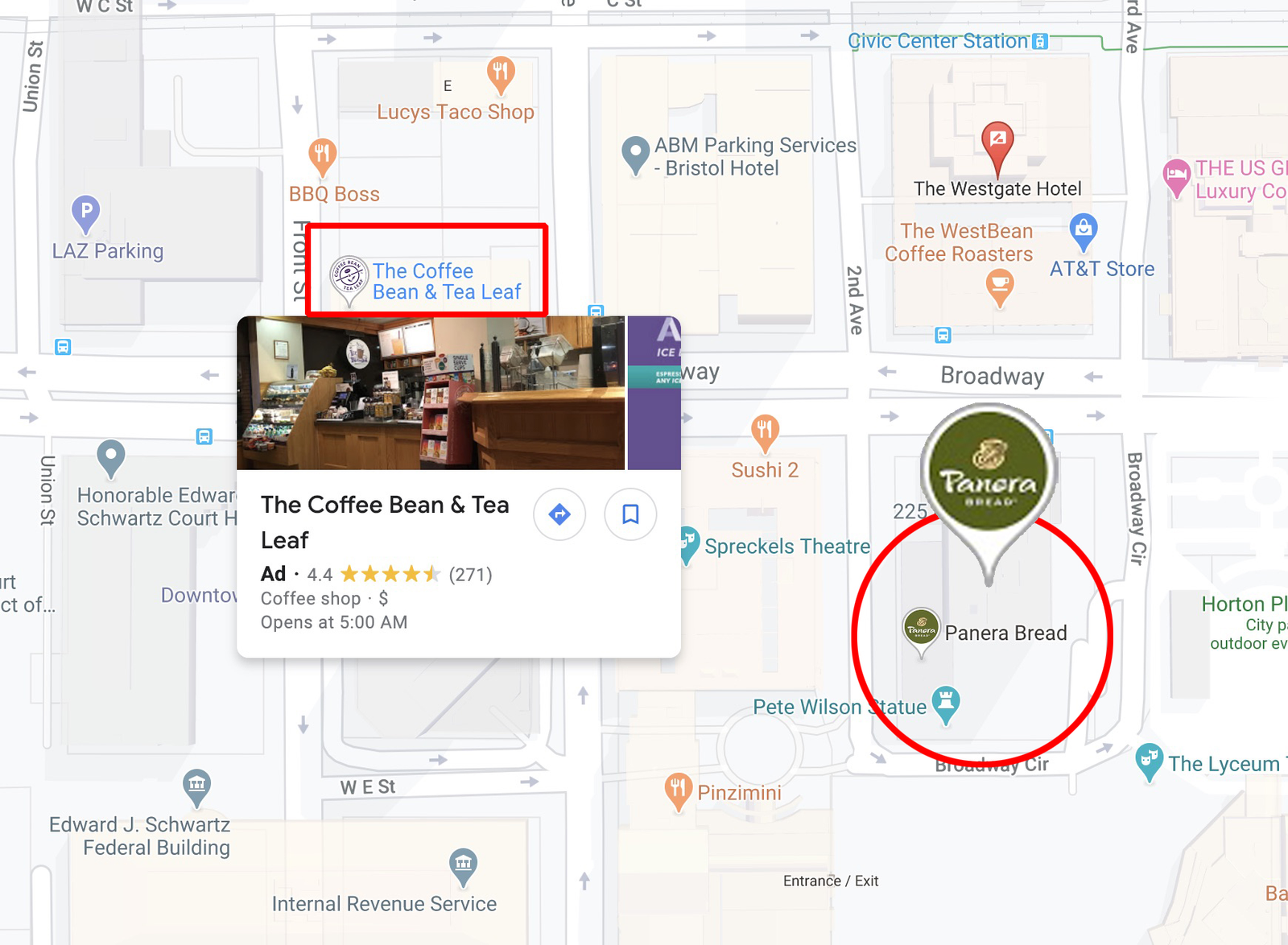
Google Maps ads are paid listings inside the Maps app, each tagged with a small “Ad” label. They surface your restaurant when someone is searching for a place to eat in your area, usually at the exact moment of decision.
Google describes Maps advertising as a way for businesses to promote their locations directly within the Maps experience and reach nearby customers. Translate that to a restaurant, and it means one thing: catching the diner who is ten minutes away with their keys still in their hand.
These ads are designed to support three outcomes that matter to restaurants: walk-ins, phone calls, and taps through to your menu or reservation page.
The Four Main Google Maps Ad Types for Restaurants
Google runs four kinds of ads inside Maps. Picture each one through the eyes of someone hunting for dinner.
Ad Type | Where It Shows | What It Does for a Restaurant |
Promoted Pins | A square pin on the map itself | Catches the eye of someone scanning the area |
Map Search Ads | Top of the results list | Owns the “restaurants near me” moment |
Map Suggest Ads | Autocomplete as they type | Lands you in front before they finish the search |
Placesheet Ads | On a nearby business’s page | Reaches diners browsing the block |
Promoted Pins
Promoted pins appear as square pins on the map, which makes them stand out from the usual round ones. Say your bistro sits along a stretch of 17th Avenue lined with competitors. A round pin blends in. A square one with your logo does not. These pins can appear while someone browses, searches, or even drives a route nearby, which matters for a takeout spot on a commuter road.
Map Search Ads
A diner types “ramen open now.” Your ad lands at the top of the map results, often with your location, contact details, and directions attached. For a noodle shop at 9 p.m. when half the kitchens in town have closed, being the first open result on that list is the whole game.Map Suggest and Placesheet Ads
How These Ads Get Delivered
One important limitation is that Google Maps placements are typically delivered through broader campaign types rather than purchased as a fully standalone Maps-only format. Chosen campaigns may automatically serve across multiple surfaces. Maps placements ride along inside larger Google Ads campaigns. For many businesses, one common route is using campaign types such as Performance Max with location- or store-focused goals. You hand Google a budget, a goal like store visits, and a set of assets (logo, photos, a few lines of copy), and its system decides where your ad runs across Maps, Search, YouTube, and beyond. Less manual control, more reliance on Google’s automation. Two setup steps come first, and skipping either means your ads simply won’t appear:- Link and verify your Google Business Profile. Promoted pins require your Business Profile linked to your Google Ads account.
- Turn on location assets. Map search ads need location assets linked so Google knows where to point people.
What You’ll Actually Pay
Pricing depends on how your campaign is built. Promoted pins are charged by views or by clicks, depending on the campaign type. You’re paying for attention or interest, not for the privilege of sitting on a map. The real number swings hard by the market. A diner-style breakfast spot in a quiet town might pay a fraction of what a steakhouse competing in a packed entertainment district pays, because more restaurants bidding on the same “steak near me” search drive the price up. So rather than chase a magic figure, set a daily cap you can live with, watch which searches send real people through the door, and shift money toward what works. For restaurants, cost per click matters less than the business outcome behind it. A more useful internal lens is cost per cover: how much ad spend it takes to generate a seated guest. If three dollars of ad spend seats a table of four who run a $140 check and come back next month, the click was cheap.Why This Fits Restaurants So Well
Most businesses chase intent. Restaurants get handed it. Almost nobody searches for dinner in a city they aren’t standing in. They want close, open, and good, in that order. Maps ads sit right on top of that instinct.
There’s a second edge that’s easy to overlook. The ad’s performance leans heavily on what surrounds it. A sharp photo of your wood-fired crust, an up-to-date “open until 11,” and a steady drip of recent reviews make your pin the obvious tap. A blurry, outdated photo and “hours not confirmed” send the diner to the place next door.
This is where creative, brand presentation, and paid strategy start working together. Paid advertising works far harder when it’s backed by real media production and a consistent brand identity. The ad opens the door. The experience behind it decides whether anyone walks through.
Habits That Help Restaurant Campaigns Perform Better
A handful of small disciplines tend to mark the restaurants that profit from Maps ads:
- Treat your Business Profile like a living thing. Update hours before long weekends, swap in fresh seasonal photos, and reply to reviews within a day or two.
- Spend on real food photography. Appetite is a visual sense. One properly lit shot of your signature plate will outpull a dozen dim snapshots.
- Follow the click to the outcome. Track calls, direction taps, and reservations, not just impressions, so you know which campaigns actually fill seats.
- Give it room to learn. Google’s automation needs a few weeks of data to find your best customers. Turning campaigns off too early can interrupt the learning phase before Google has enough data to optimize properly.
Pair these with a clear marketing strategy, and the spend compounds. Ads bring the foot traffic. Your brand and content decide whether that diner becomes a regular who brings four friends.
Key Takeaways
- Google Maps ads are “Ad” labelled listings that place your restaurant in front of nearby diners at the moment they’re choosing where to eat.
- Four formats exist: promoted pins, map search ads, map suggest ads, and placesheet ads.
- You can’t run Maps-only ads; they’re delivered through campaigns like Performance Max for store goals.
- A verified, linked Google Business Profile and enabled location assets are required before anything shows.
- Promoted pins are billed by views or clicks, so you pay for genuine interest.
- Costs swing by market and competition, so judge campaigns by cost per cover, not cost per click.
- Strong photos, accurate hours, and recent reviews are what make the ad worth tapping.
Let's Fill More Tables Together
Google Maps ads can put your restaurant in front of the right diners at the right minute. But the ad is only the opening line. The visuals, the brand, and the strategy behind it are what turn a glance into a guest and a guest into a regular.
If you want a restaurant marketing partner who can connect paid strategy, creative, and brand presentation in one system, the team at NU Media Edge would be glad to talk. Visit numediaedge.com or email contact@numediaedge.com to start the conversation.
Frequently Asked Questions
Do I need a website to run Maps ads, or is my Business Profile enough?
You can start with just a verified Google Business Profile, since it carries your hours, photos, menu, and contact details. But a clean website or online menu gives diners a clearer next step once your ad earns the tap.
How soon will I know if it’s working?
Clicks and calls can show up within the first few days, but the meaningful read takes longer. Google’s system spends the early weeks learning which searches and times bring you actual diners. Many restaurants start to get a clearer performance picture after a few weeks rather than just a few days.
Can I keep my ads from reaching people too far away to visit?
Yes. You can guide targeting toward diners within a practical service area around your restaurant, which helps concentrate budget on people more likely to visit. If you depend on a tight local crowd rather than citywide reach, narrowing that radius keeps you from paying for clicks that were never going to become covers.
How much do reviews really affect ad performance?
More than most owners expect. A higher star rating and a stream of recent reviews make your listing more clickable, which can lower what you effectively pay per visit. Replying to reviews, the glowing and the grumpy alike, also signals to browsers that someone’s paying attention.
Is this worth it for a small independent spot, or only for chains?
It can absolutely work for independents, often better, because you are competing on local intent rather than trying to match a national budget. Since you pay for views or clicks tied to nearby searches, even a modest daily cap can reach diners ready to eat down the street.